
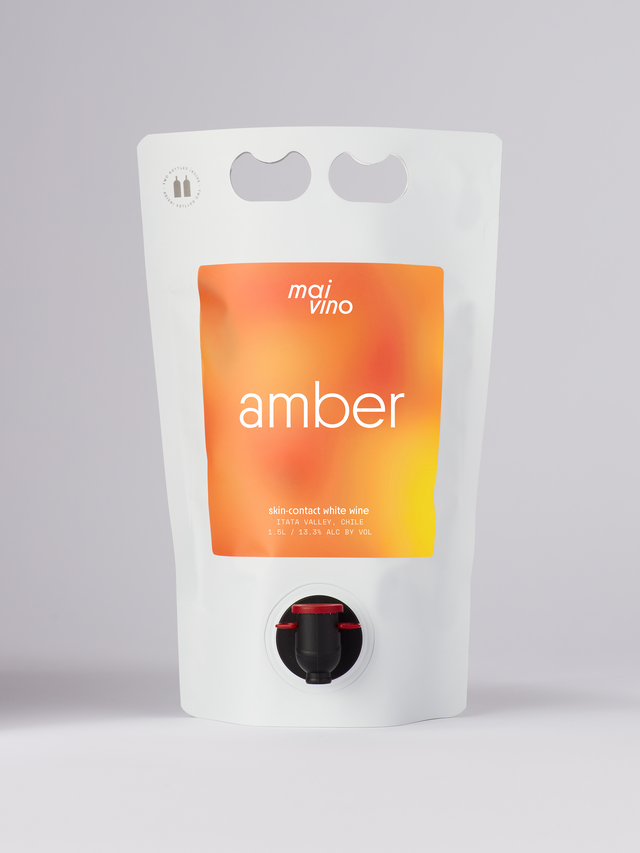

Orange
Not your average white - and that's the point - this is a skin-contact white wine aka as orange wine or amber wine.
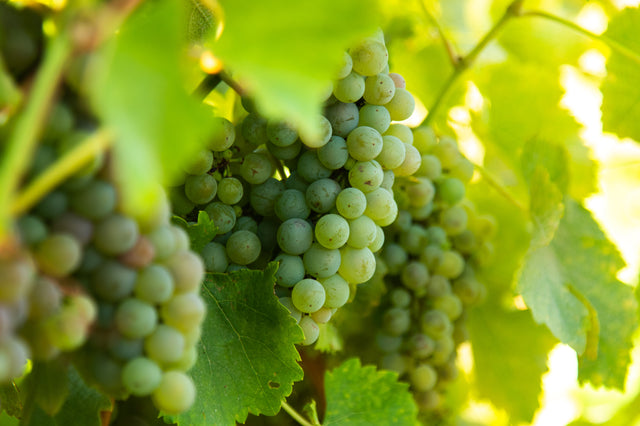
This wine comes from 80-year-old vines in Chile's Itata Valley, one of the oldest coastal ranges in the country. The Moscatel de Alejandria delivers a beautiful perfumed nose - apricot, mango, all of it - while a splash of Semillon brings it back down to earth with herbaceous notes that add balance and complexity.
The vines are horse-ploughed once a year and dry-farmed with zero intervention. Once the grapes are harvested, they are left on the skins for 28 days (like red wine). The result is a slightly dried apricot flavors with a smoky white tea finish that lingers - approachable for orange wine newcomers, satisfying for the already converted.
Origin: Itata Valley, Chile
Ingredients: 90% Moscatel de Alejandria (80-year-old vine), 10% Semillon, Vegan-Friendly
Winemaking: Wild fermentation, dry-farmed, left on the skins for 28 days
Alcohol: 12.2%
Dry: 2/5
(1 = Dry, 5 = Sweet)
Body: 2/5
(1 = Light Body, 5 = Heavy Body)




All Natural Ingredients
Mai Vino is made with all of the good stuff, none of the bad.

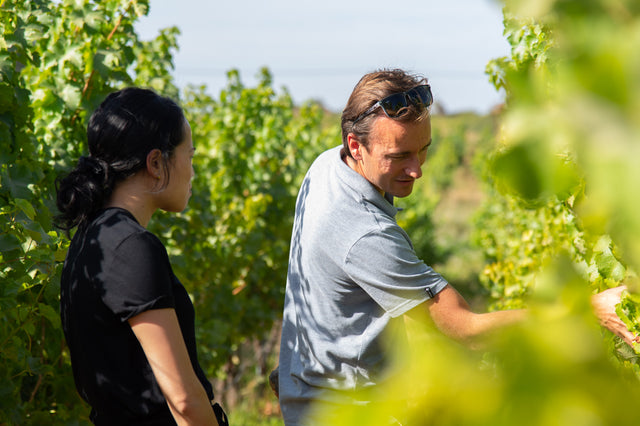
Our wines are certified organic, which means you won't find any pesticides or herbicides in your glass.

Our wines are naturally fermented dry. That means you're left with 0 grams of sugar per serving.

We don't add any artificial additives, which means you won't feel punished the next day.

Our wines are naturally fermented dry and have 100 calories per glass.
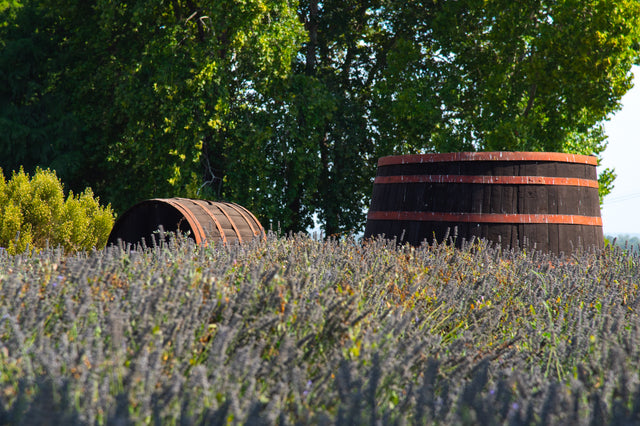
What we don't do
🚫 No pesticides or herbicides
🚫 No mega purple dye
🚫 No sawdust
🚫 No added sugar
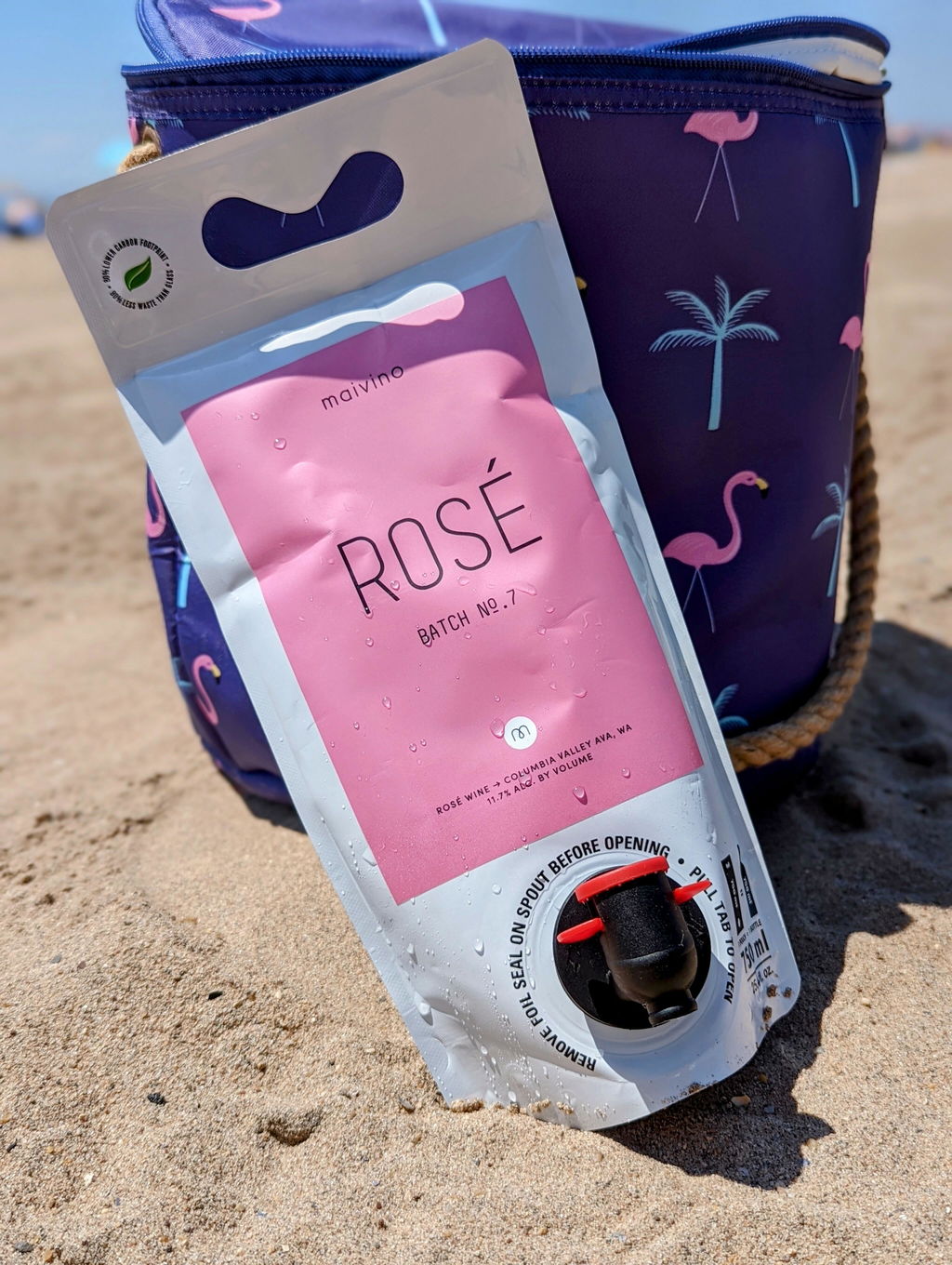
This really is so convenient and great packaging. Super light and easy to carry to the beach and pass around. The rosé is crisp and light bodied. Not my favorite taste but I would order again for the convenience of it.
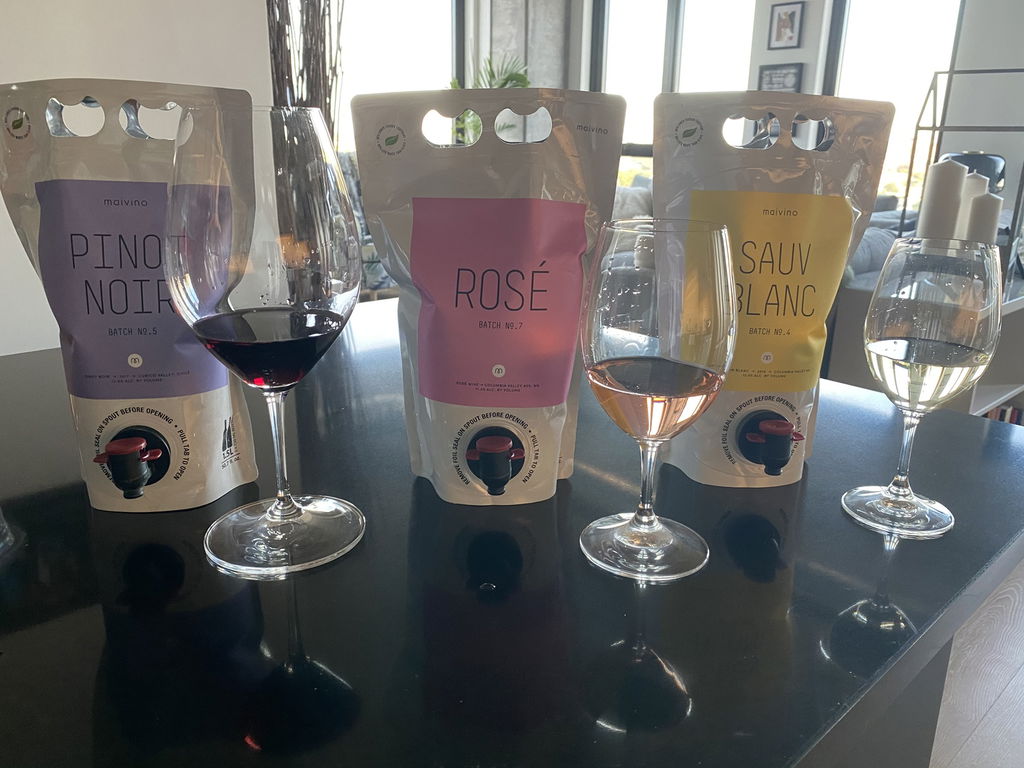
I was skeptical to try a wine that I purchased online, but I’m very happy I did. All 3 varieties are great!
the pouch is light weight and flexible. no spills. perfect to the last drop!
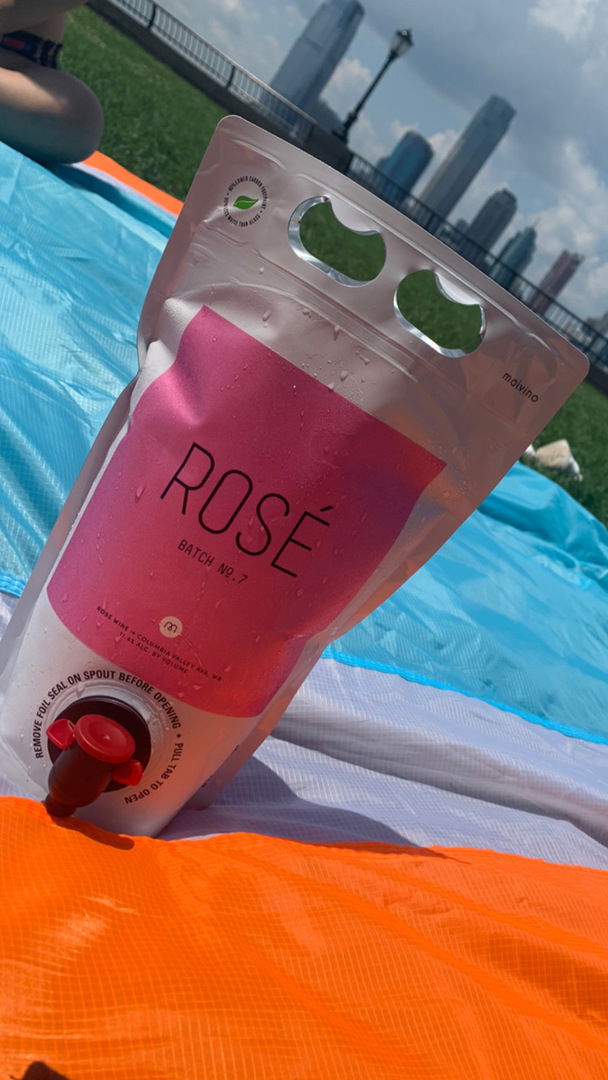
I love Maivino. This wine is fresh and fruity. I brought it to a gathering and my friends were impressed with the taste of the wine and the packaging. We are French and work in fashion and design :wink: We happily sipped the whole pack in one afternoon. They said they wanted to buy it too.
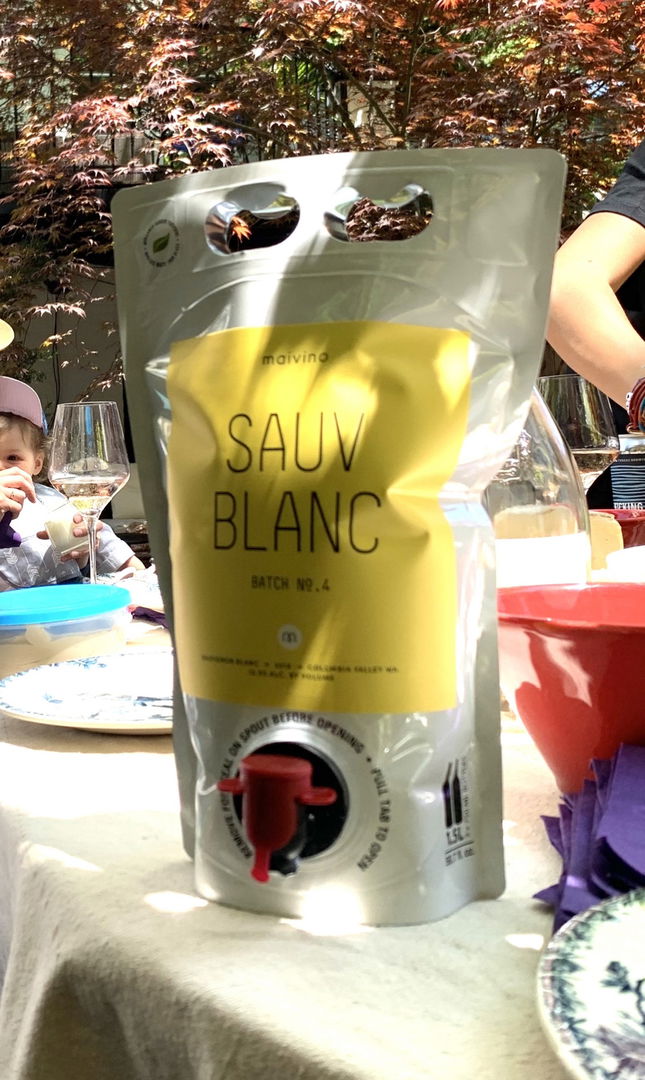
I love the combo of these 2 wines. They taste great. Also, for $54 right now (promo) you get the equivalent of 4 bottles of wine - it’s a steal! Customer service is also amazing.
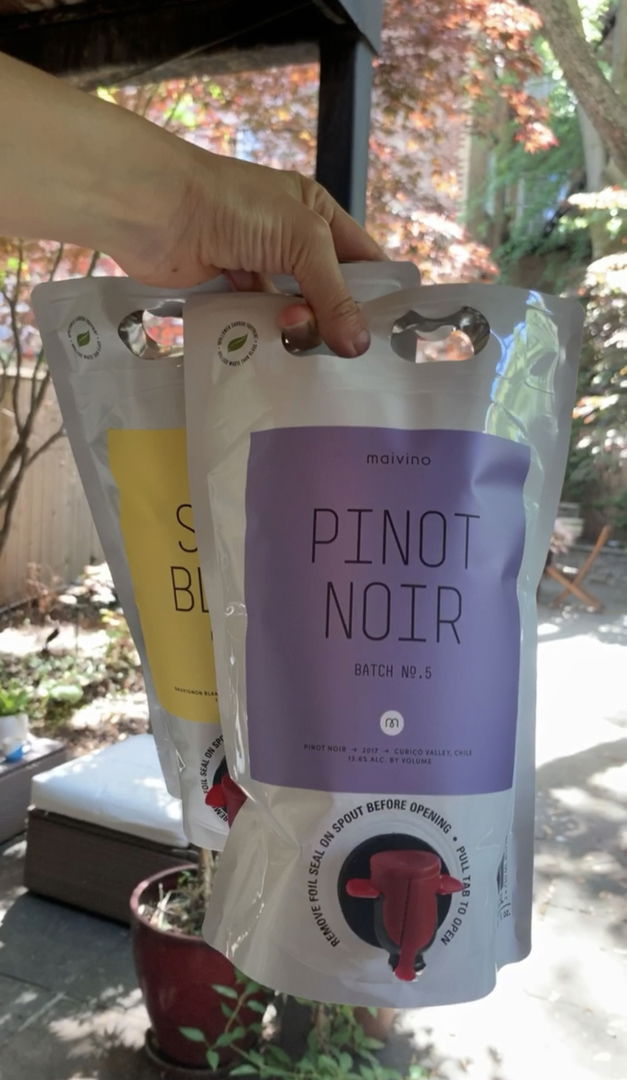
This is a crisp, clean, light and refreshing wine. Perfect with dinner; before and after.
Love that it has less sugar.
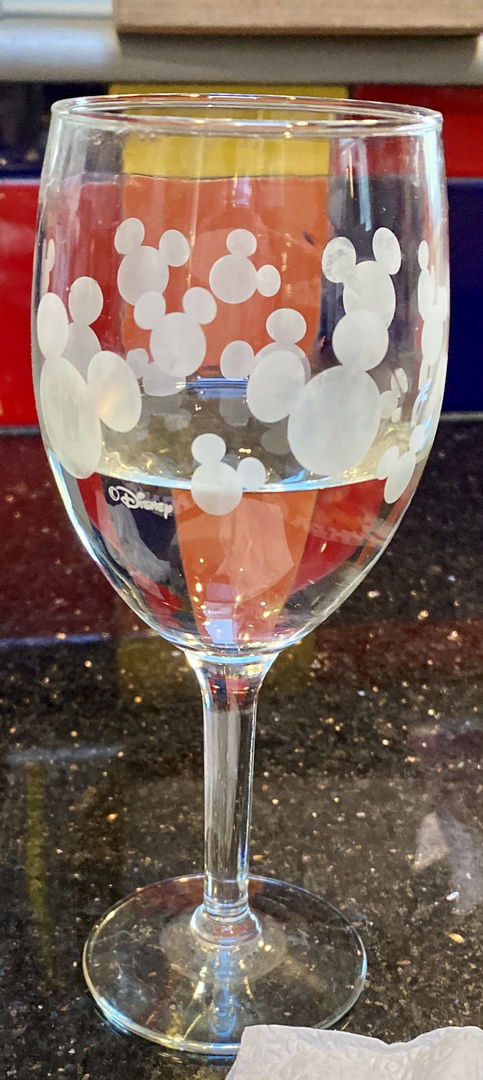
The wine delivery was quick and right to my door. The quality of the wine- superb! For being “bagged” wine it has great flavor and shelf life. I wish we had this in DC!
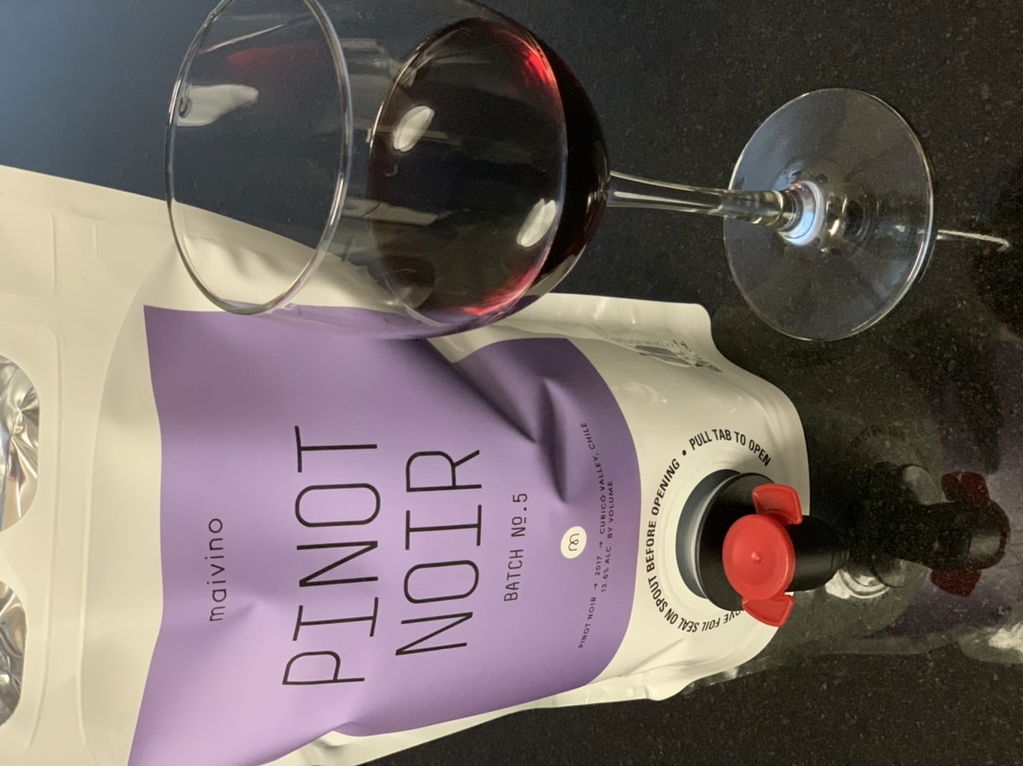
Wow - I purchased both the Sauv Blanc and Pinot Noir, and could not be happier! Whatever you're cooking for dinner, maivino pairs perfectly. It truly is an amazing option for quality wine that tastes great, lasts, and stores easily. The Sauv Blanc is deliciously dry, and the Pinot Noir is enjoyably earthy. I will definitely be purchasing more maivino!
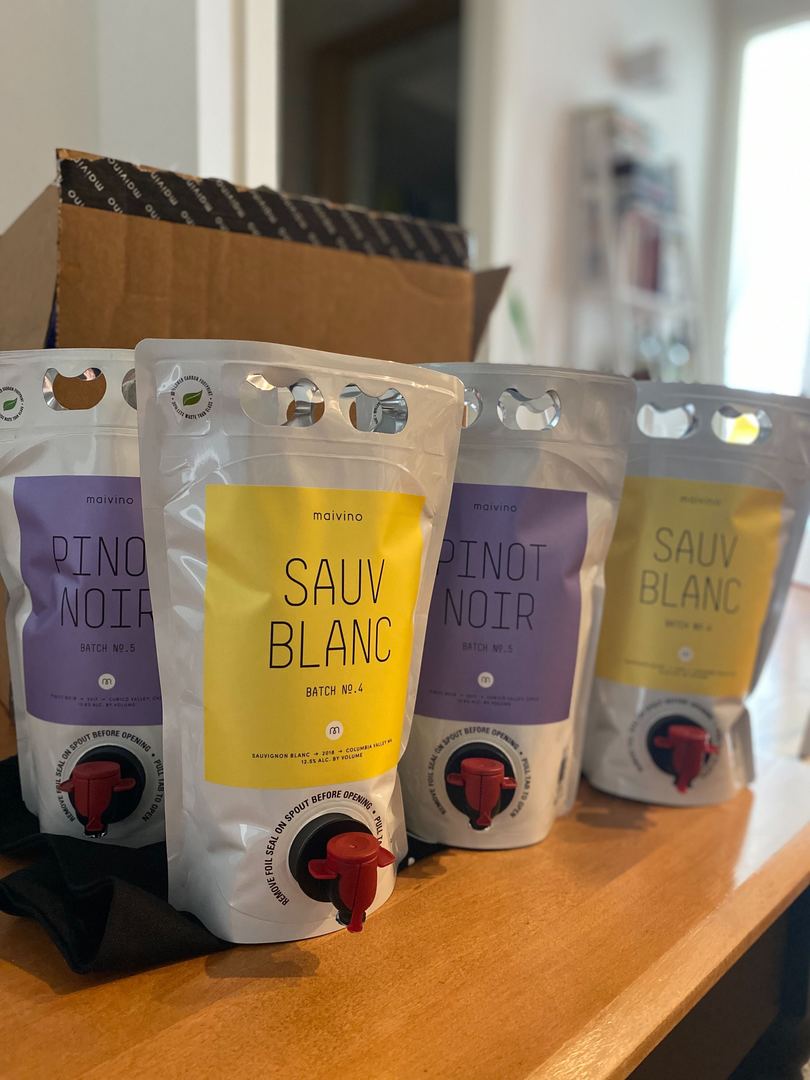
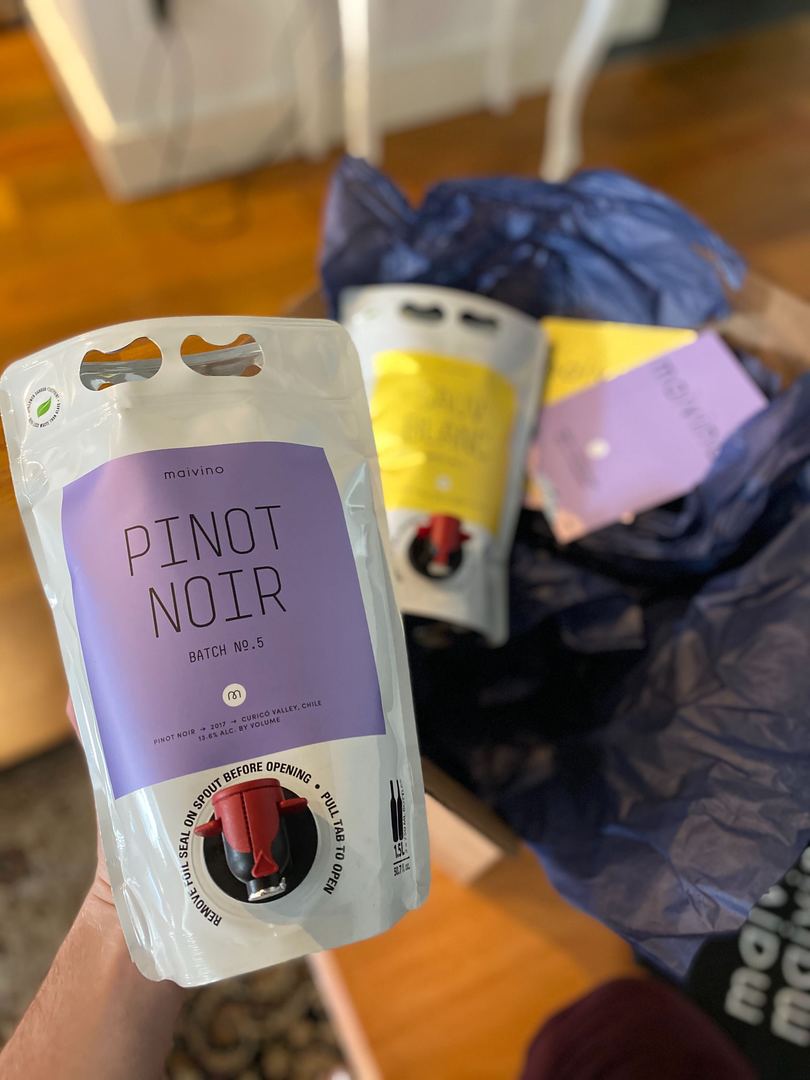
Thank you so much for the great wine, prompt service, and great customer care! I have made 2 purchases so far with MaiVino. The delivery service was prompt and the wine was delicious! Looking forward to buying more from them.
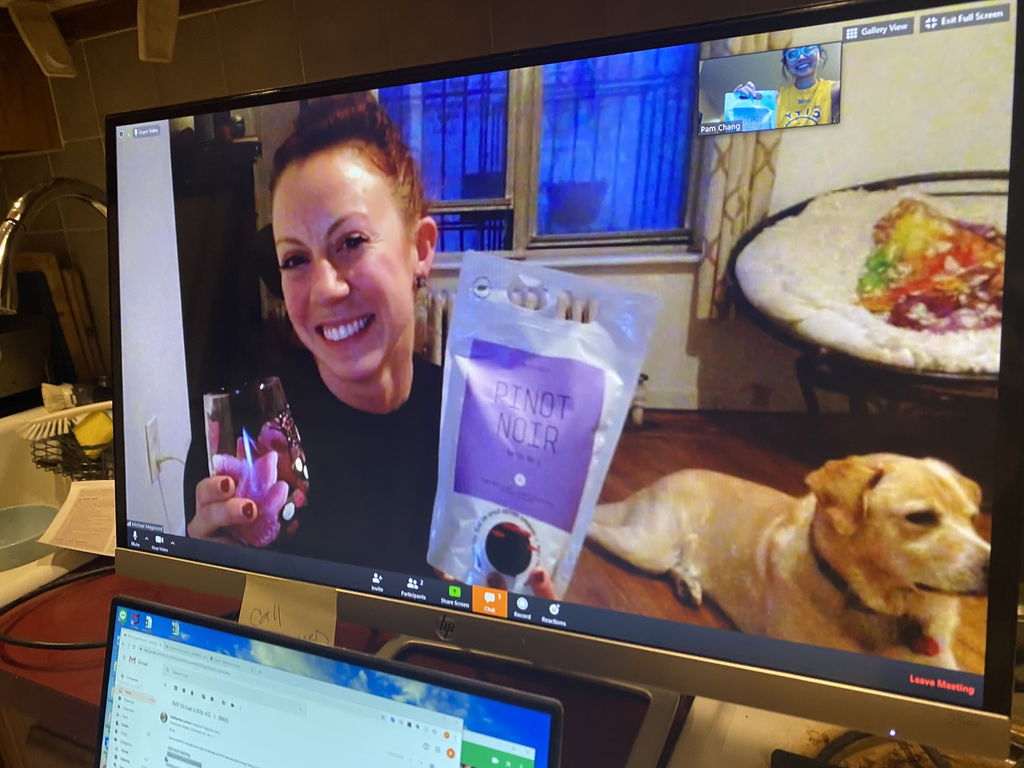
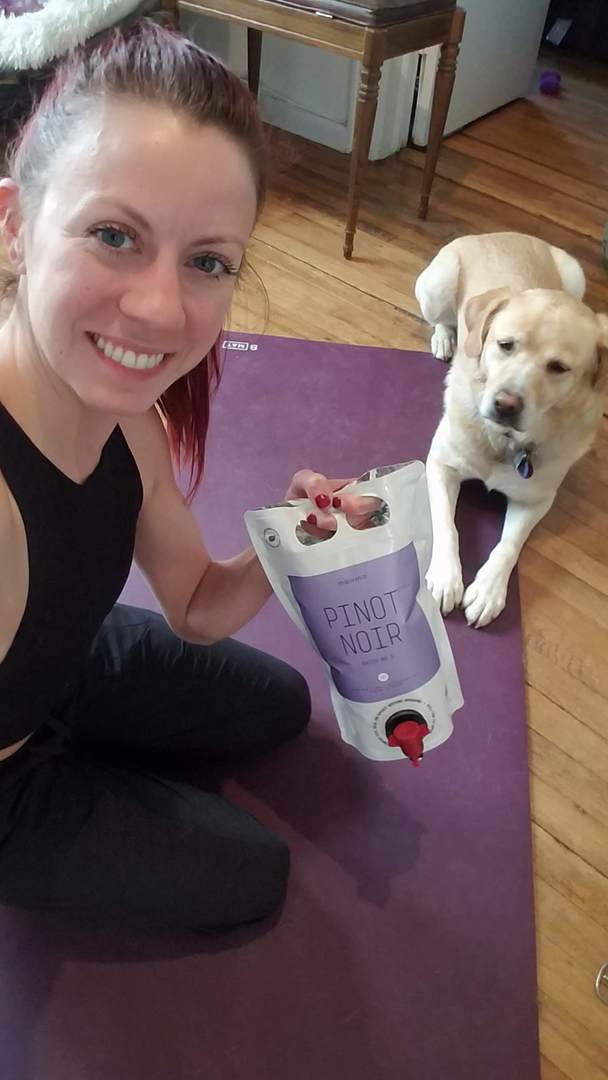
thanks!!! :) I appreciate the support <3 your class!
I was really surprised when I tried the orange wine.
It was amazing! I’ll definitely purchase it again!
It’s was really fantastic, a great dinner wine.
Dry, Smooth red excellent at room temp & chilled. Enjoyed it with beef and a chocolate dessert.
Another note: keto friendly, didn't raise my glucose!
Love it
It’s yummy. Best part is knowing it’s organic and sugar free and made by a woman owned small biz.
Not for me
This wine is actually very good! The pinot noir even has some body to it, which is unusual for a bagged/boxed wine.
The Rose’ was okay. I’m a big Rose’ drinker but I would not order again. I had to mix it with sparkling water to make a spritzer. My favorite of the 3 wines was the Savignon Blanc which was very nice.
Loved the Savignon Blanc. Light, crisp and very easy to drink.
I like the Savignon Blanc and not usually a fan, and the Rose is great, and the Pinot Noir a good red for summer when it's cool enough
I'm actually not a pinot noir person but thought it might be good for summer before it got too warm and if it did, kept it in the refrigerator, and it was nice for this time of year.
Mai Vino wines are great! No added sugar and light. I love the rose and the savignon blanc. Perfect for a campfire night.
Nice rosé.
It was good, but it just wasn't me. I was expecting more of a dry wine like Chardonnay, but it isn't quite. I switched over to Sauvignon Blanc
I really like the Pino Noir. I was skeptical at first because I am not a Pino Noir fan generally as I like my reds a bit bolder. But this was good
I love Mai Vino wines. The Rose is very refreshing for summer!
I thoroughly enjoy the option of building your own bundle and the flexibility of changing out the wines.
The Pinot Noir is one of the best Pinots that I have tried. I will order again!
Great blend of rose wine, nice and smooth; not too light or heavy
Fair taste. Quick shipping